
Trends We're Loving | Open Pipe Shelving
Open shelving has earned its place in the modern home, and not just as a passing trend. Done well, it brings an ease and openness to kitchens, wet bars, and home offices that traditional cabinetry simply cannot replicate. The industrial warmth of open pipe shelving in particular has proven itself as one of the more enduring moves in residential design, striking a welcome balance between polished and genuinely livable.
Like any design decision, the difference between open shelving that feels chic and open shelving that feels chaotic comes down to execution. Here are a few key things worth keeping in mind before you commit.

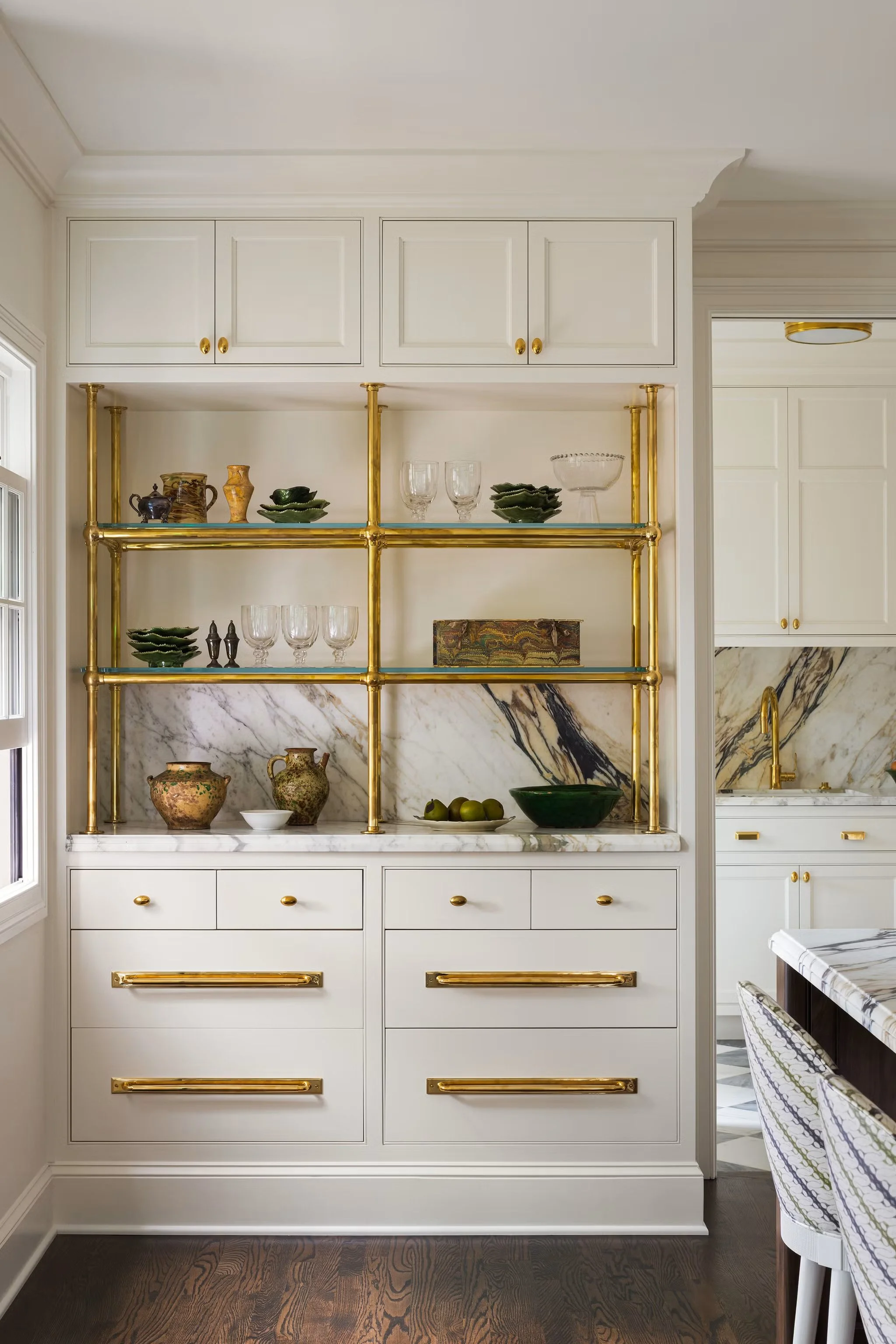
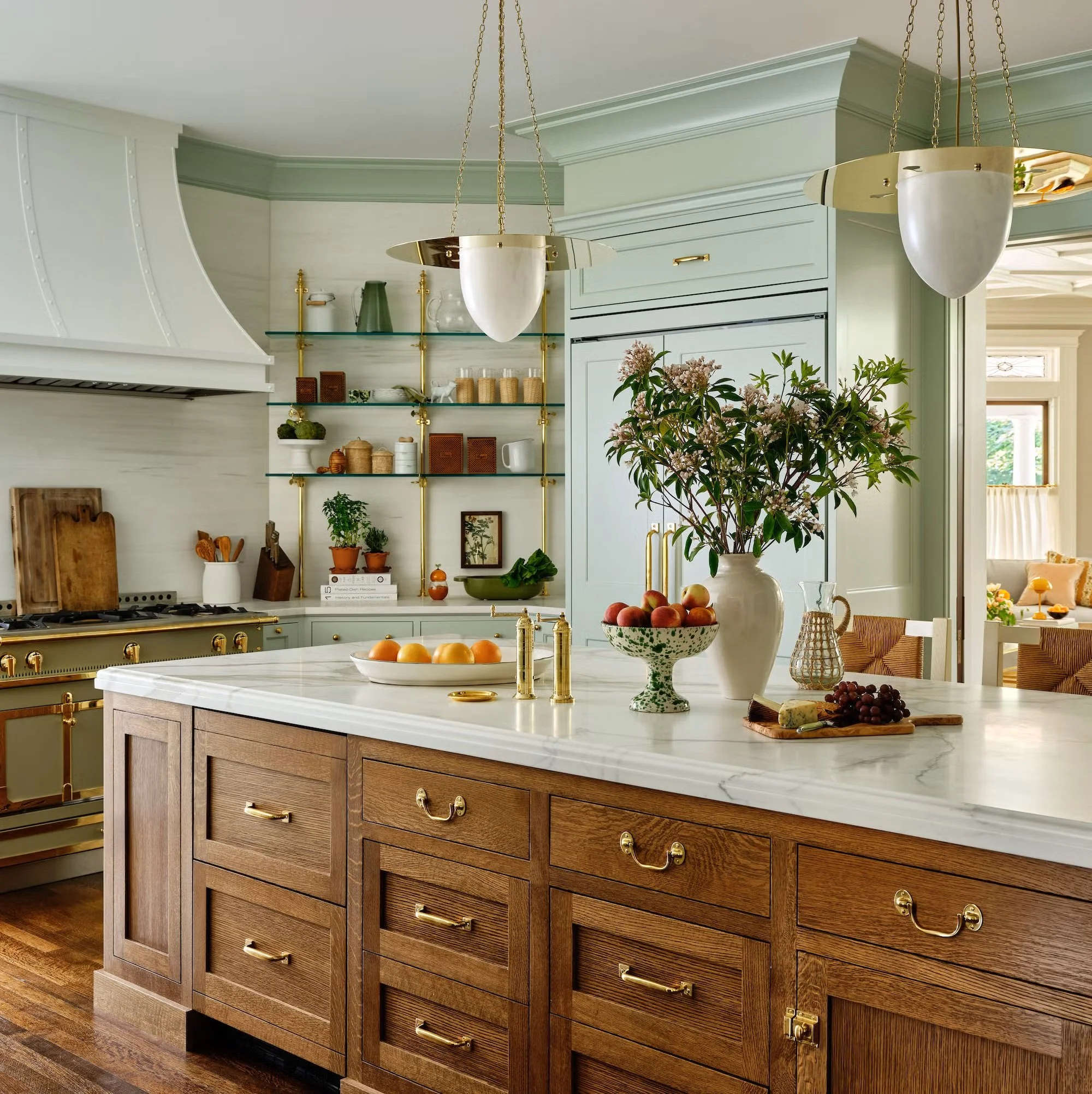
Heidi Callier Design
Plan for It Before You Build
Open pipe shelving looks effortless once installed, but the planning that happens before construction is what makes that possible.
Wall anchoring points, stud placement, and the weight capacity of your walls all need to be considered before a single bracket goes up. If you are incorporating shelving into a kitchen renovation, coordinate with your contractor early so that blocking can be added to the walls during the framing stage.
This small step makes installation significantly cleaner and ensures your shelving is as structurally sound as it is beautiful.
Retrofitting open shelving into an existing space is absolutely possible, but knowing your wall construction in advance will save you from surprises mid-project.
Consider Your Wall Color
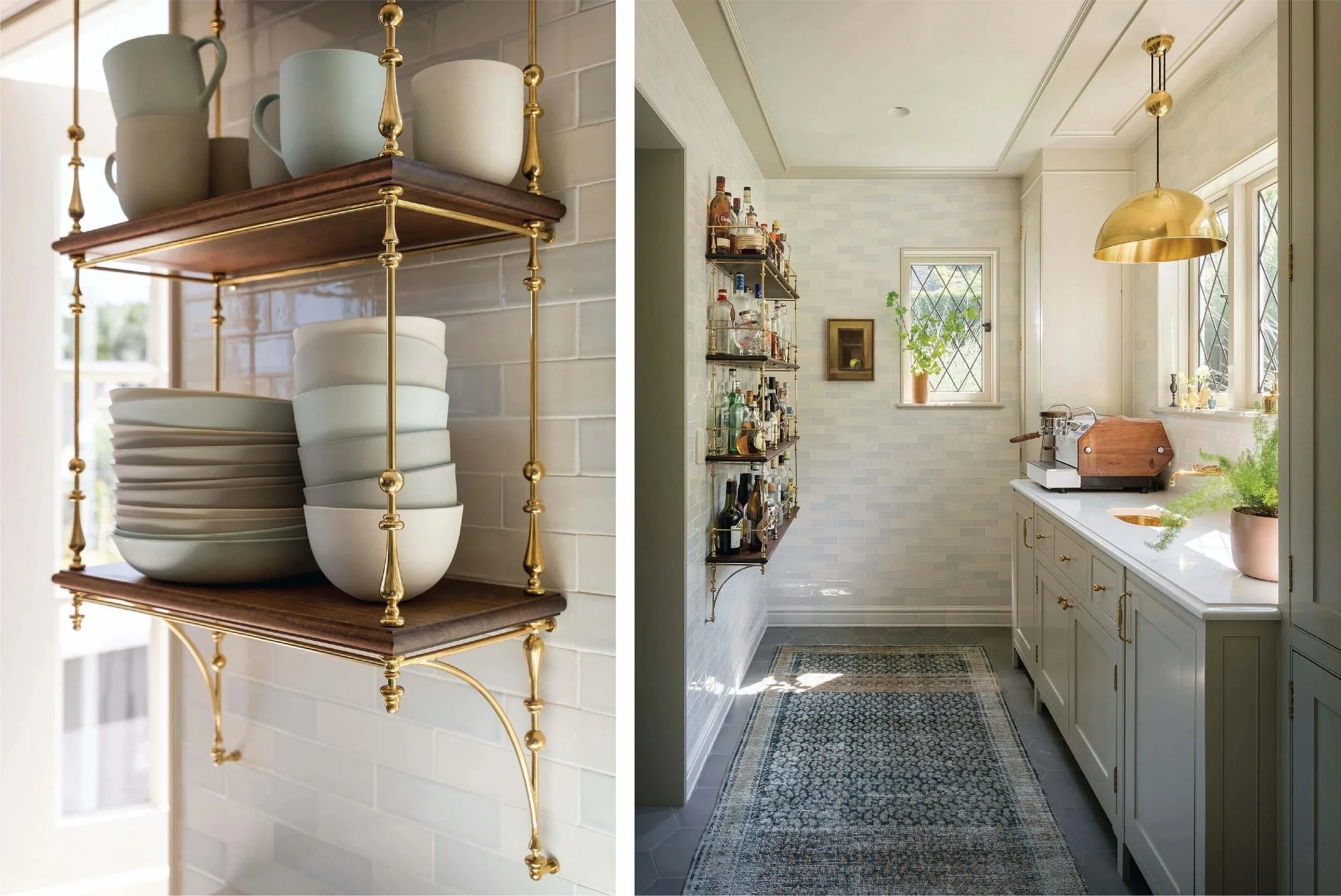
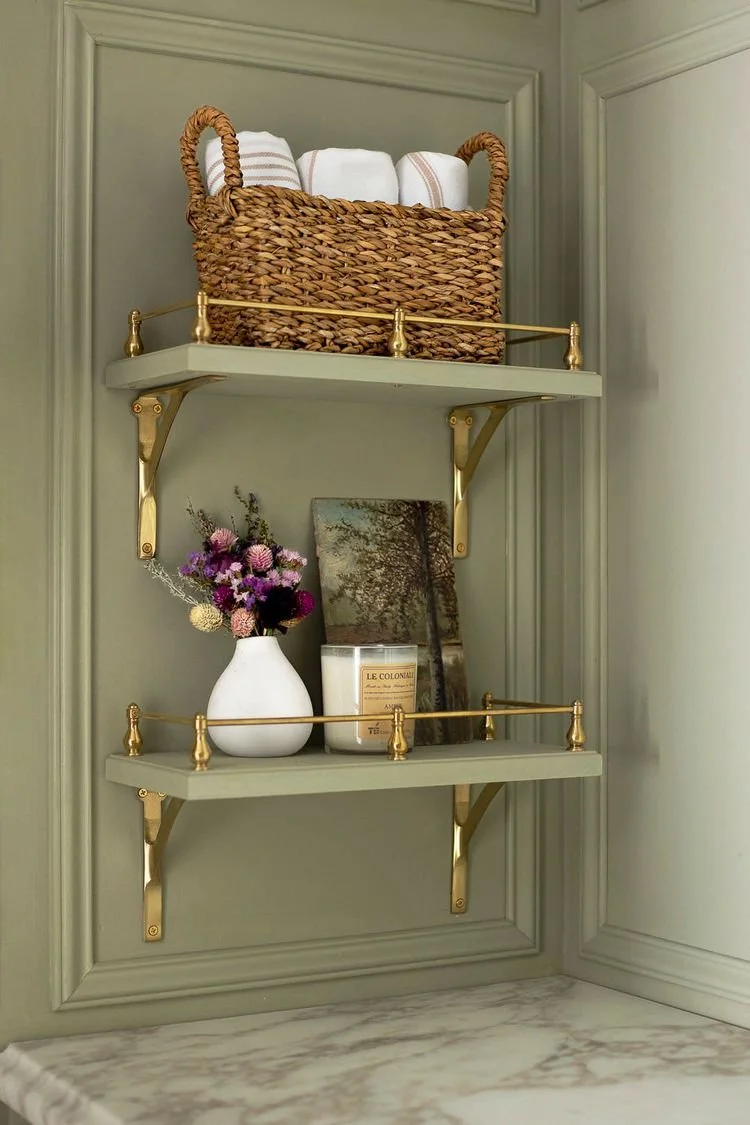
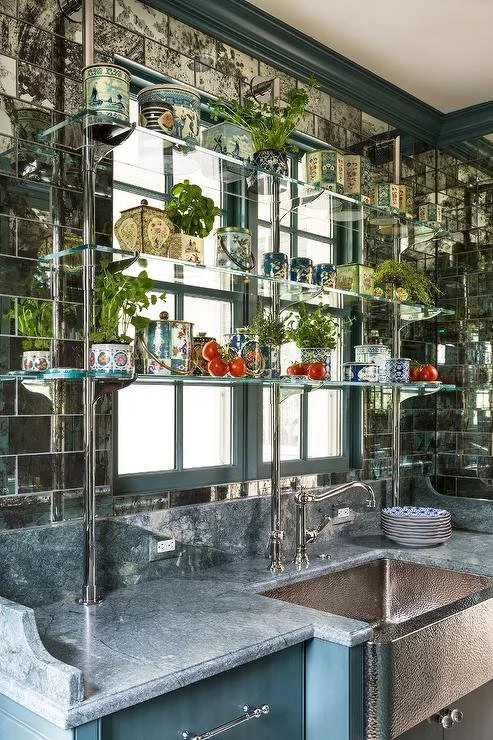
The wall behind open shelving becomes as much a part of the composition as the shelves themselves, and it deserves the same level of consideration. A rich, contrasting paint color can elevate an entire display, giving lighter objects something to read against and adding a layer of depth to the overall design.
A crisp white wall works beautifully too, particularly in kitchens where the shelving needs to feel clean and airy. What rarely works is a wall color that was chosen for the rest of the room without considering how it would interact with what sits in front of it. Think of the wall as the backdrop of a still life and style accordingly.
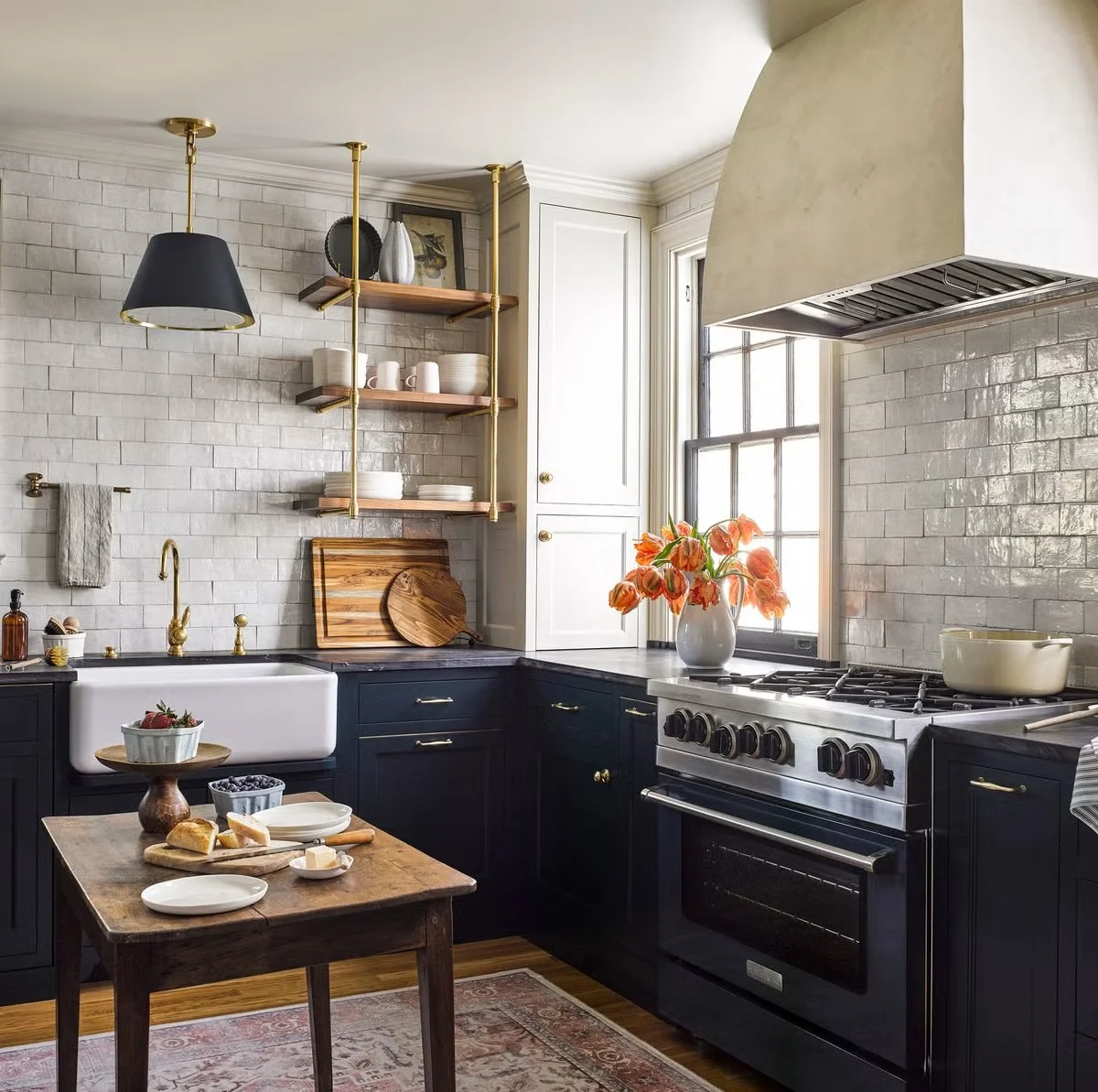
Jessica Helgerson Interior Design
Mix Materials with Intention
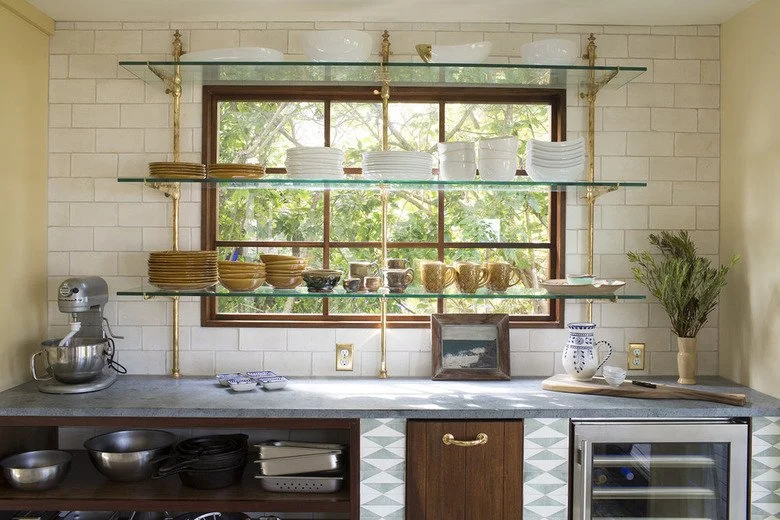
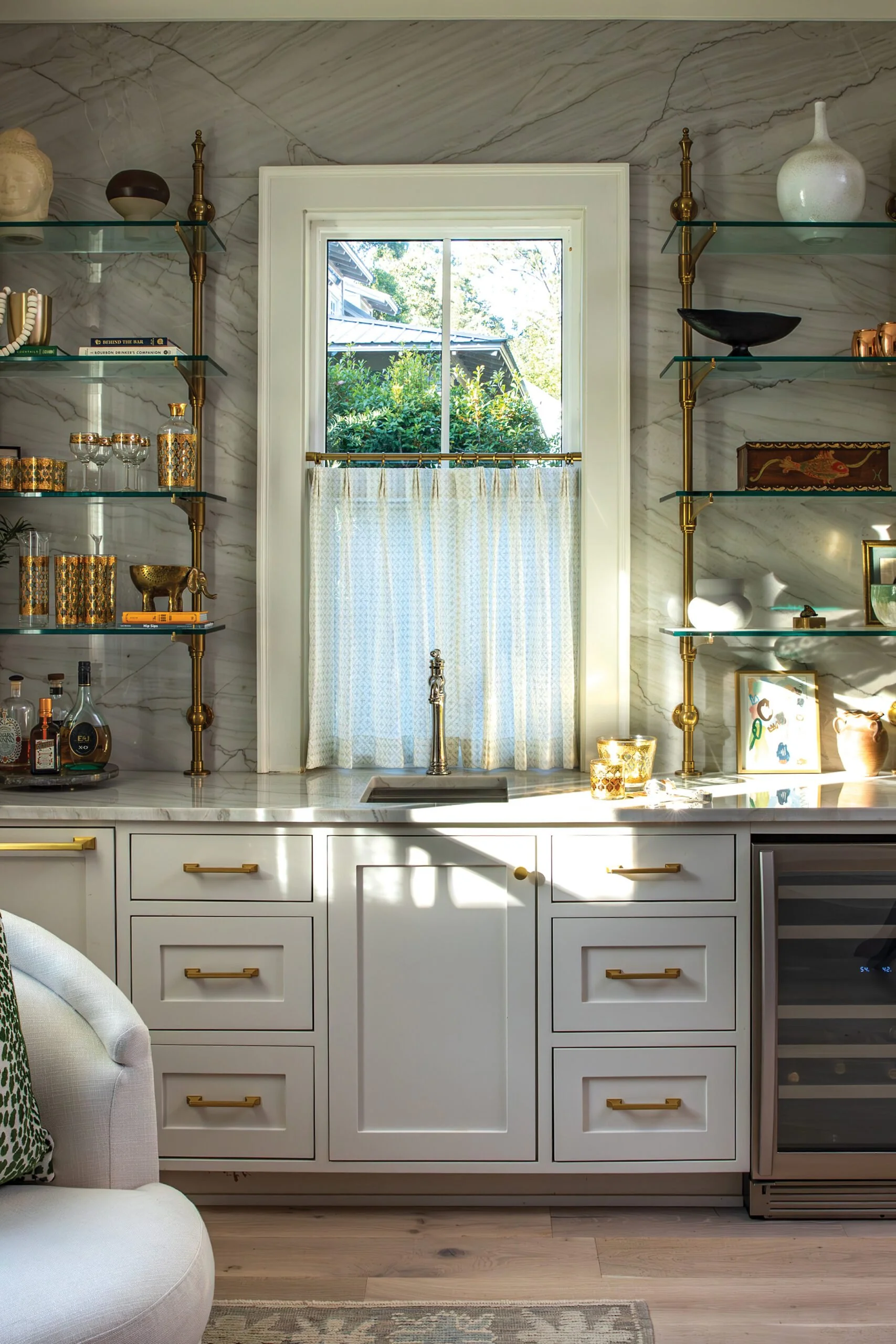
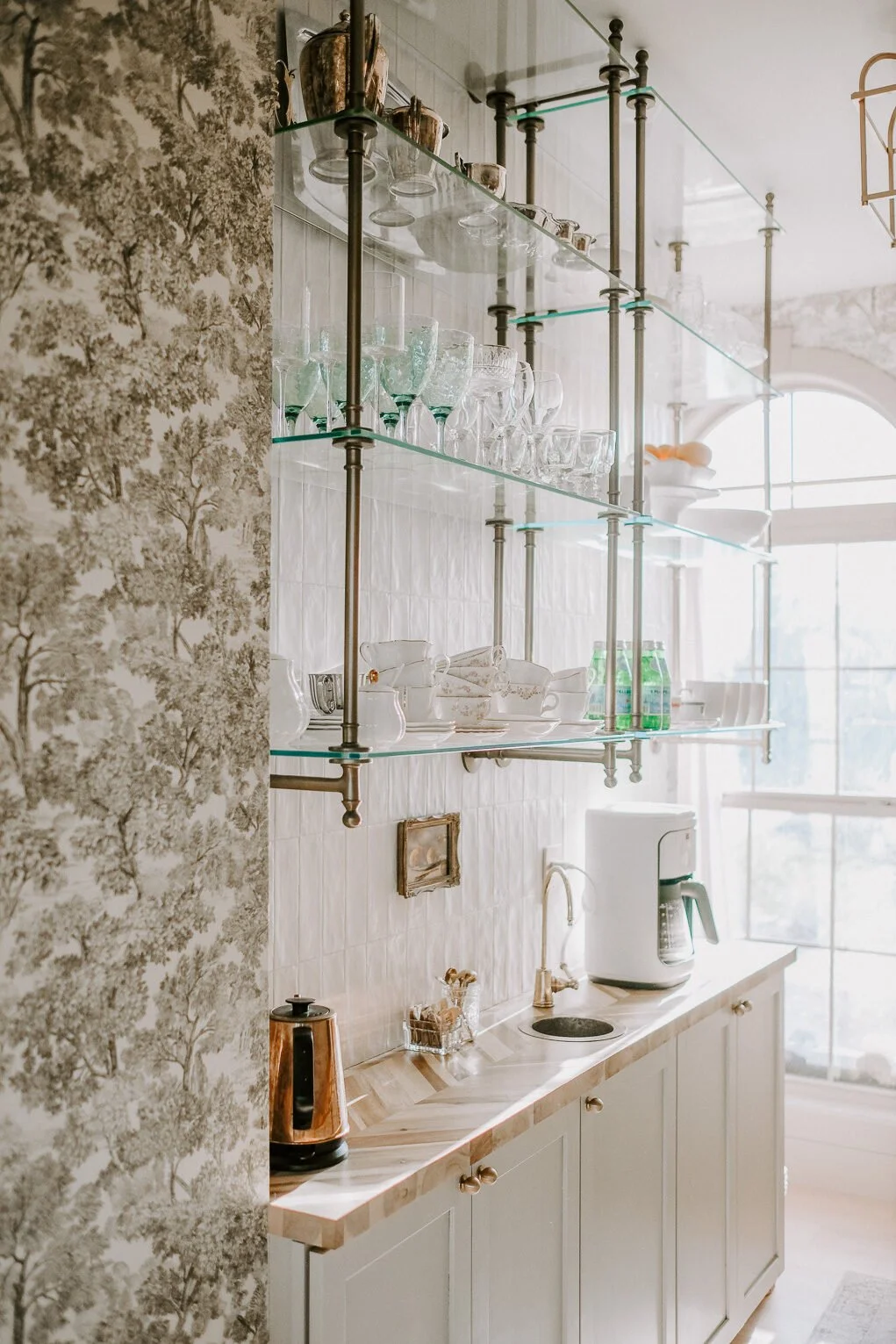
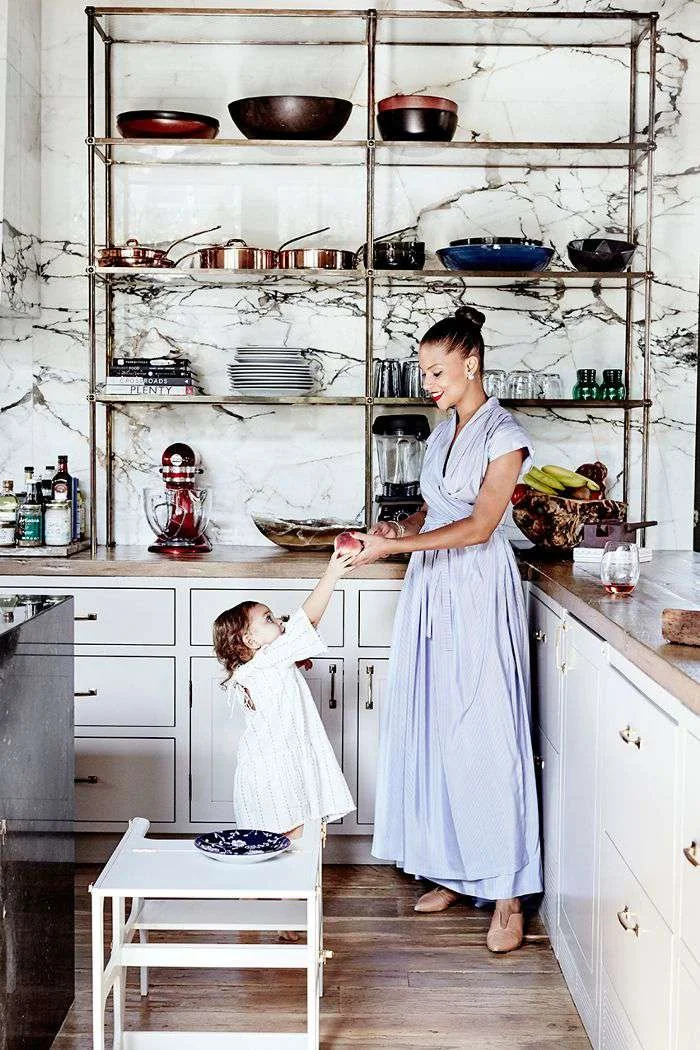
The most compelling open shelving combines a variety of materials without feeling eclectic or overdone. Ceramics alongside wood, glassware next to a trailing plant, a stack of well-worn cookbooks beside a ceramic vessel — these combinations create warmth and visual interest that a single material never achieves on its own. The key is to work within a cohesive color palette so that the variety of texture reads as considered rather than collected by accident. When in doubt, pull back on quantity and let each piece have a little room around it.

Invest in the Right Hardware
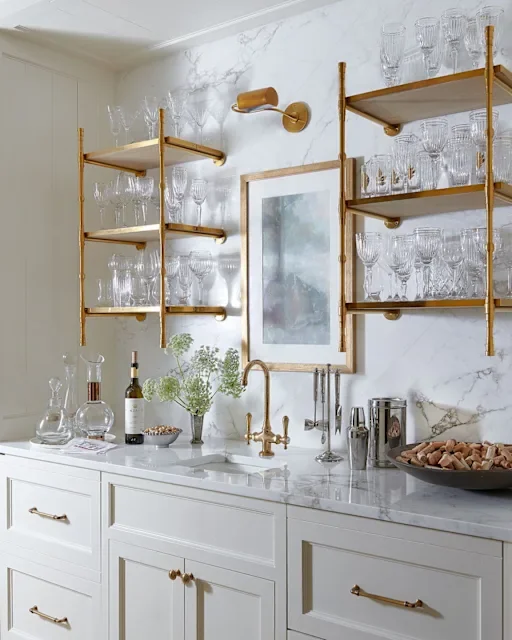
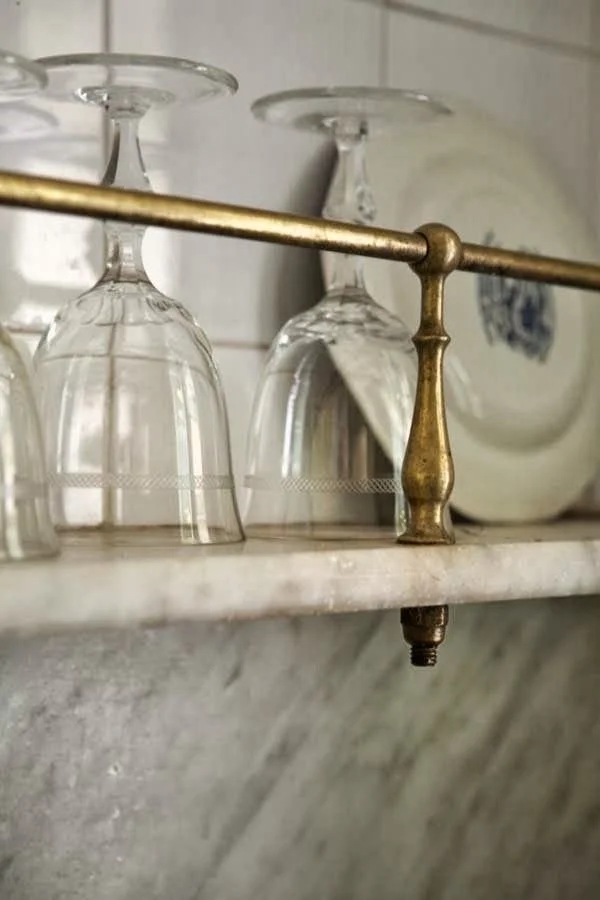
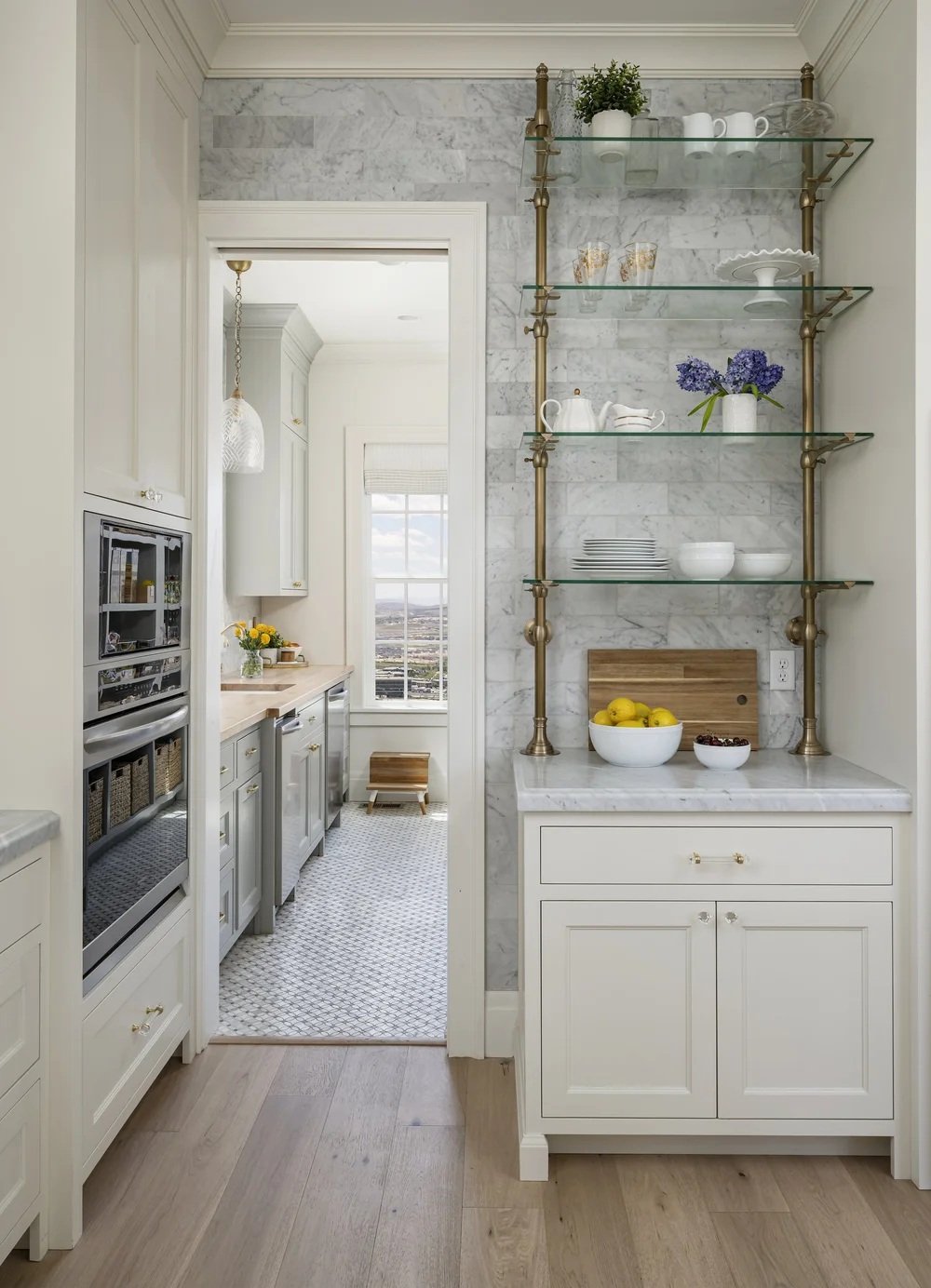
With pipe shelving specifically, the hardware is not just functional — it’s part of the aesthetic. Exposed brackets, flanges, and pipes are all visible elements that contribute to the overall look of the space, and cutting corners here will show. Choose a finish that coordinates with the other metals in your space, whether that is matte black, unlacquered brass, or brushed nickel, and invest in quality pieces that will hold their finish over time. Inconsistent or poorly finished hardware is one of the quickest ways to undermine an otherwise well-executed design.
Edit Ruthlessly and Leave Room to Breathe
Open shelving puts everything on display, which means that clutter has nowhere to hide. Before styling your shelves, pull everything off and start fresh. Ask yourself whether each item earns its place through beauty, utility, or both. What remains should feel intentional rather than accumulated.
From there, resist the urge to fill every inch. Negative space is one of the most powerful tools in styling open shelving and one of the most underused. Leaving deliberate gaps between groupings allows each object to be seen on its own terms and gives the overall composition a light and airy feel.
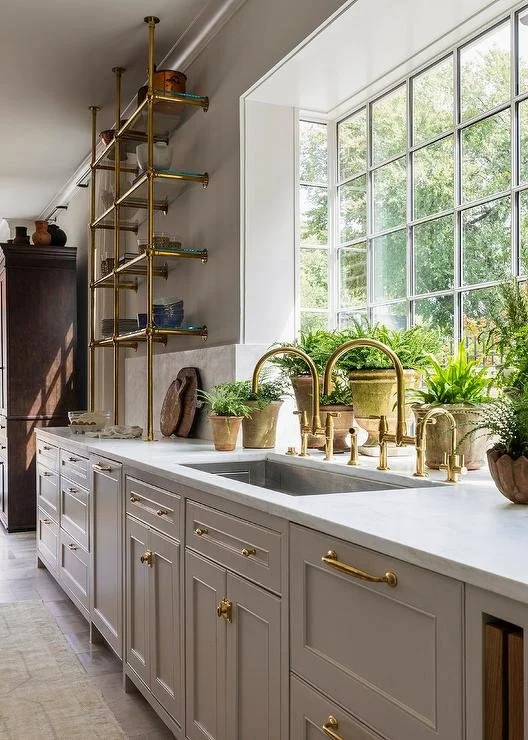
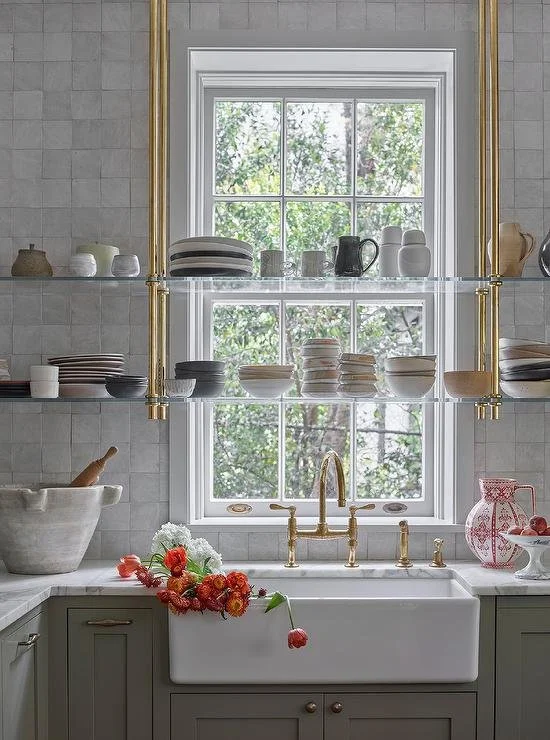





Open pipe shelving looks effortless when it is done well. Here is what it takes to get there, from planning before construction to styling the final shelf.