
Ask Sherrell: Rug and Carpet Advice with The Washington Post
[This piece originally appeared as a live Q&A on The Washington Post]

I had the pleasure of joining Jura Koncius with The Washington Post for a live reader Q&A on one of the topics our clients ask about most: rugs and carpet. For one hour, readers sent in real questions about their homes, from a beach house redo to a tri-level with three teenagers and a 70-pound dog, and I answered each one in real time.
I’ve rounded up the best questions from the chat for anyone weighing the same decisions in their own home, and you can peruse the full Q&A here.
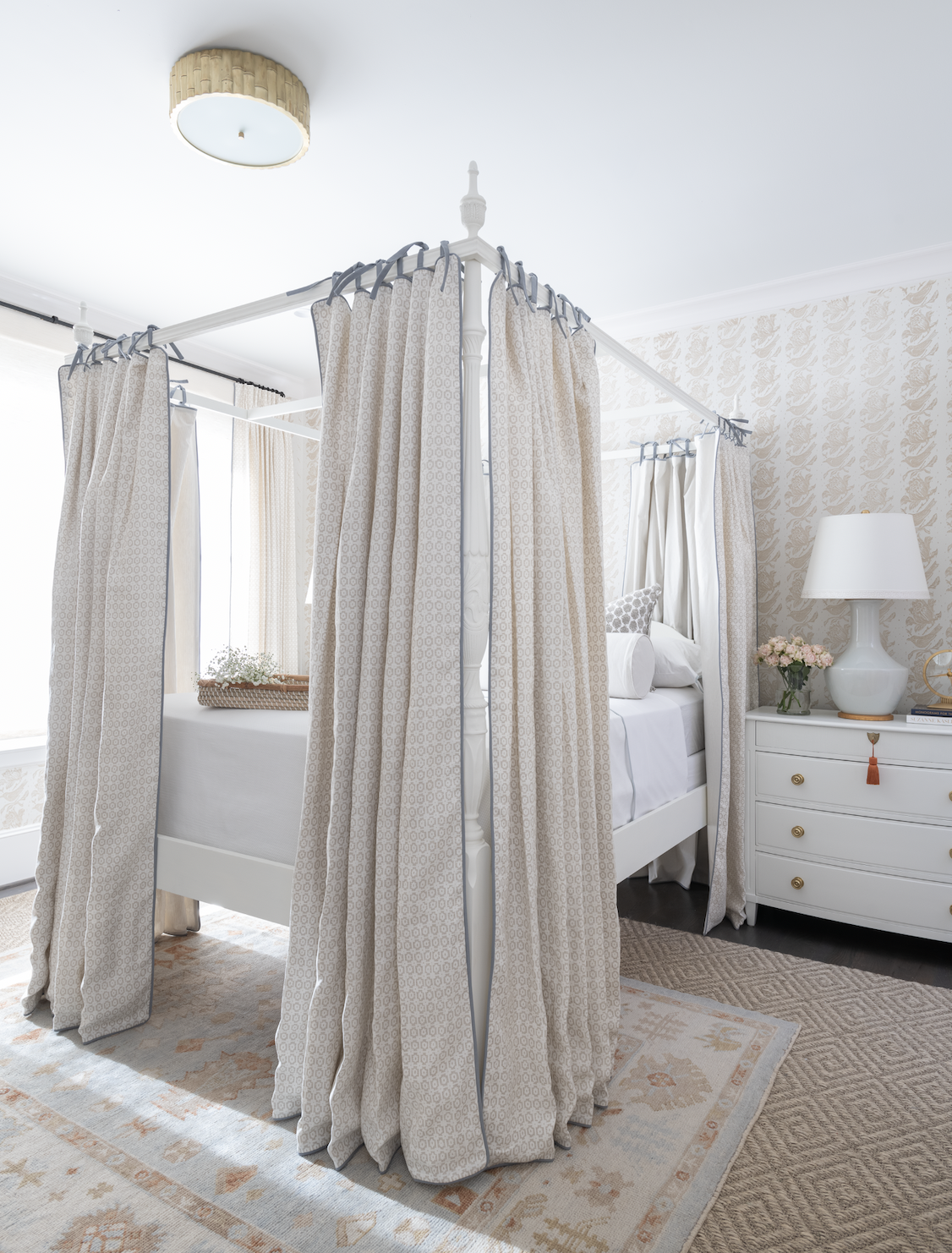
Can I use a large area rug over wall-to-wall and if I can, how do I anchor it?
Assuming this is a great room or living space, a layered rug approach works well here. Start with a natural fiber sisal or jute as the foundation, then layer a patterned rug on top, an Oushak or a low maintenance machine-made piece, so the front legs of the sofa and chairs sit on the accent rug. In a bedroom, the rug should equal the total width of the bed plus the two nightstands when it permits. Layer a smaller accent rug at the foot of the bed, a 4x6 or 6x9, or runners on either side.
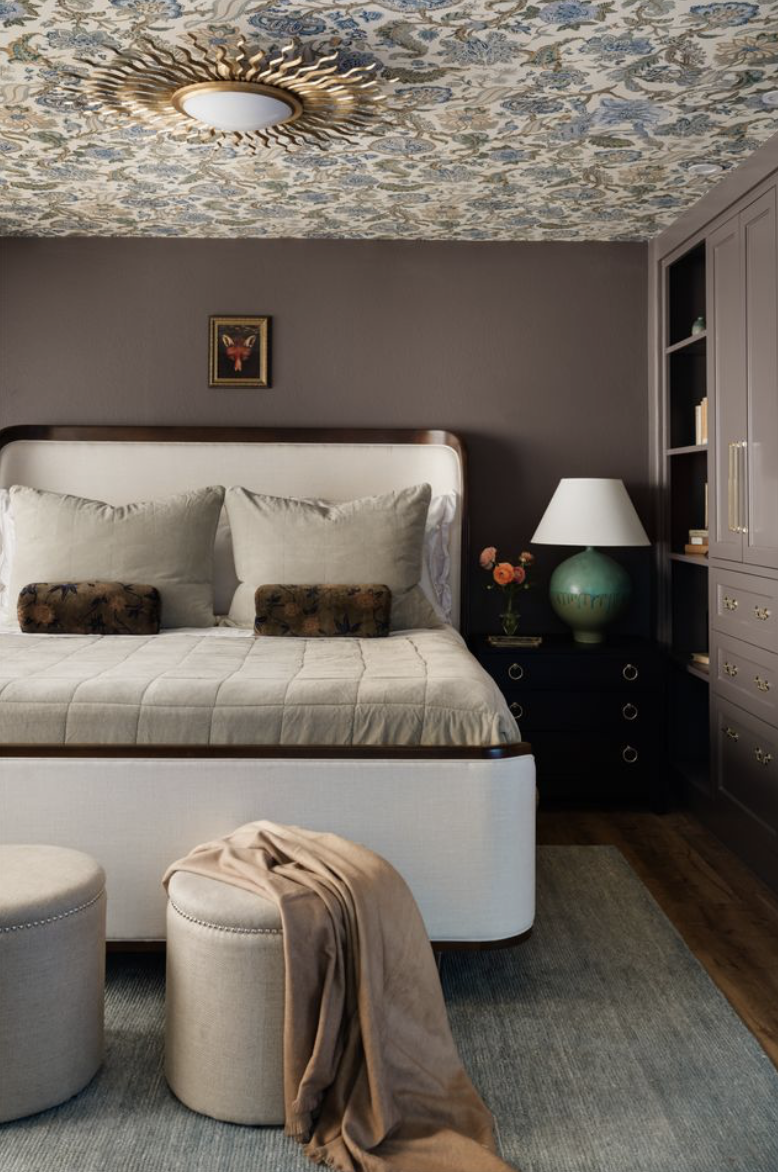
Will a lambswool and silk rug be durable and readily cleaned? I'm seeking to replace a viscose and linen rug that's a disaster.
Silk in particular can require more cleaning by a professional, but it does not shed the way viscose is known to. If the wool content is higher than the silk, that's a good combination to be on. Wool is a great foundation for a rug that will live in both low and high traffic areas, and it can be cleaned relatively easily.
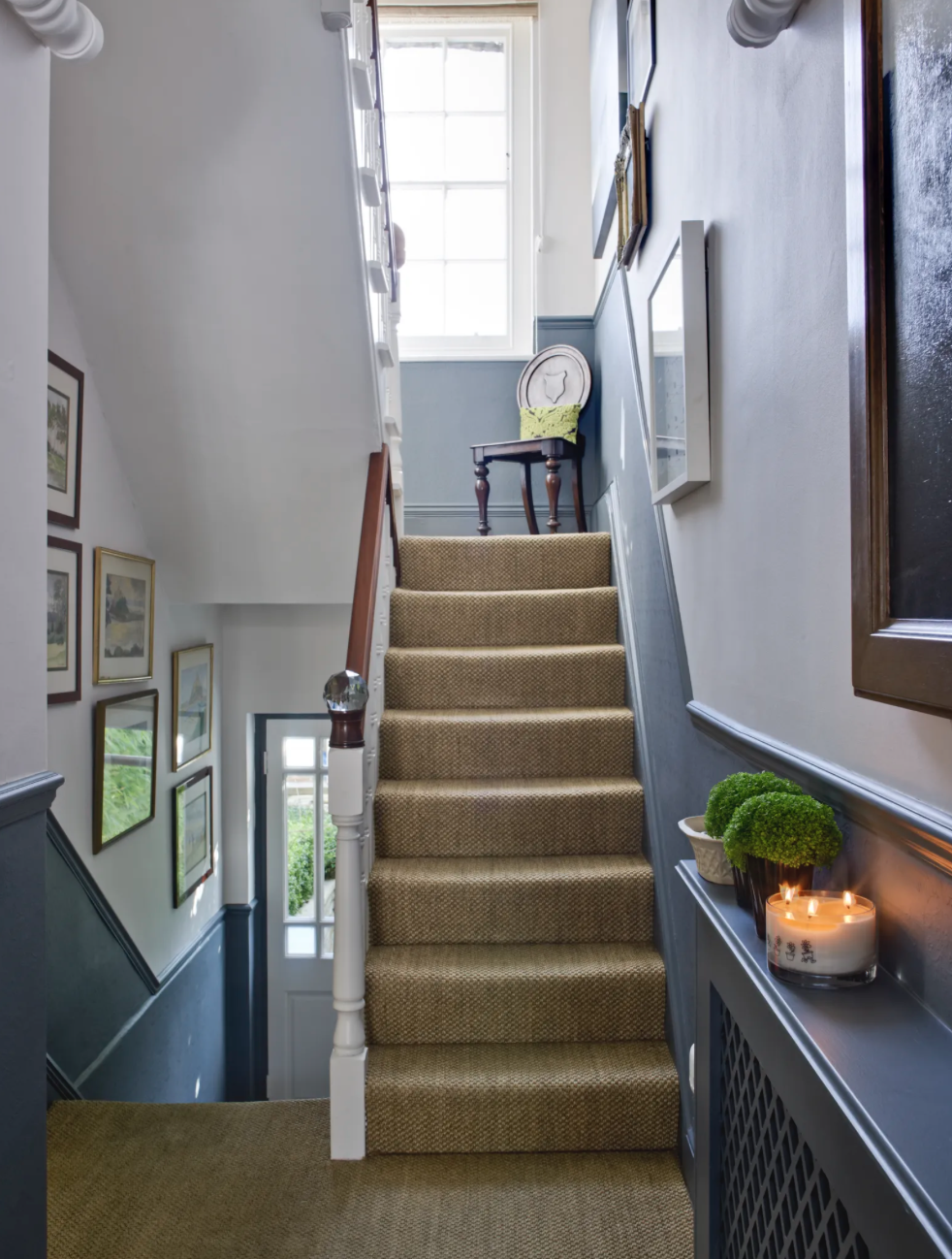
Image credit: Mark Luscombe-Whyte
What's the best type of carpet for stairs? We have high traffic stairs, three teenagers and a 70 pound dog.
Natural fibers are a great solution for high traffic areas, including stairs. Jute may be softer underfoot for four legged paws, but sisal is stronger and more durable. A low pile wool, a sisal, or even a wool/sisal blend are all resilient options and generally low maintenance with regular vacuuming.
I'm buying an 8x10 area rug and I've been advised to get a rug pad. However, I have in floor radiant heating and I'm worried this could be a problem.
Rug pads really do prolong the life of a rug or carpet and protect the floor underneath. Pads come in different thicknesses and materials, and rubber and felt pads typically work well in most environments, with one side gripping the rug and the other gripping the hard surface. For radiant heat specifically, rubber and felt pads are generally considered safe.
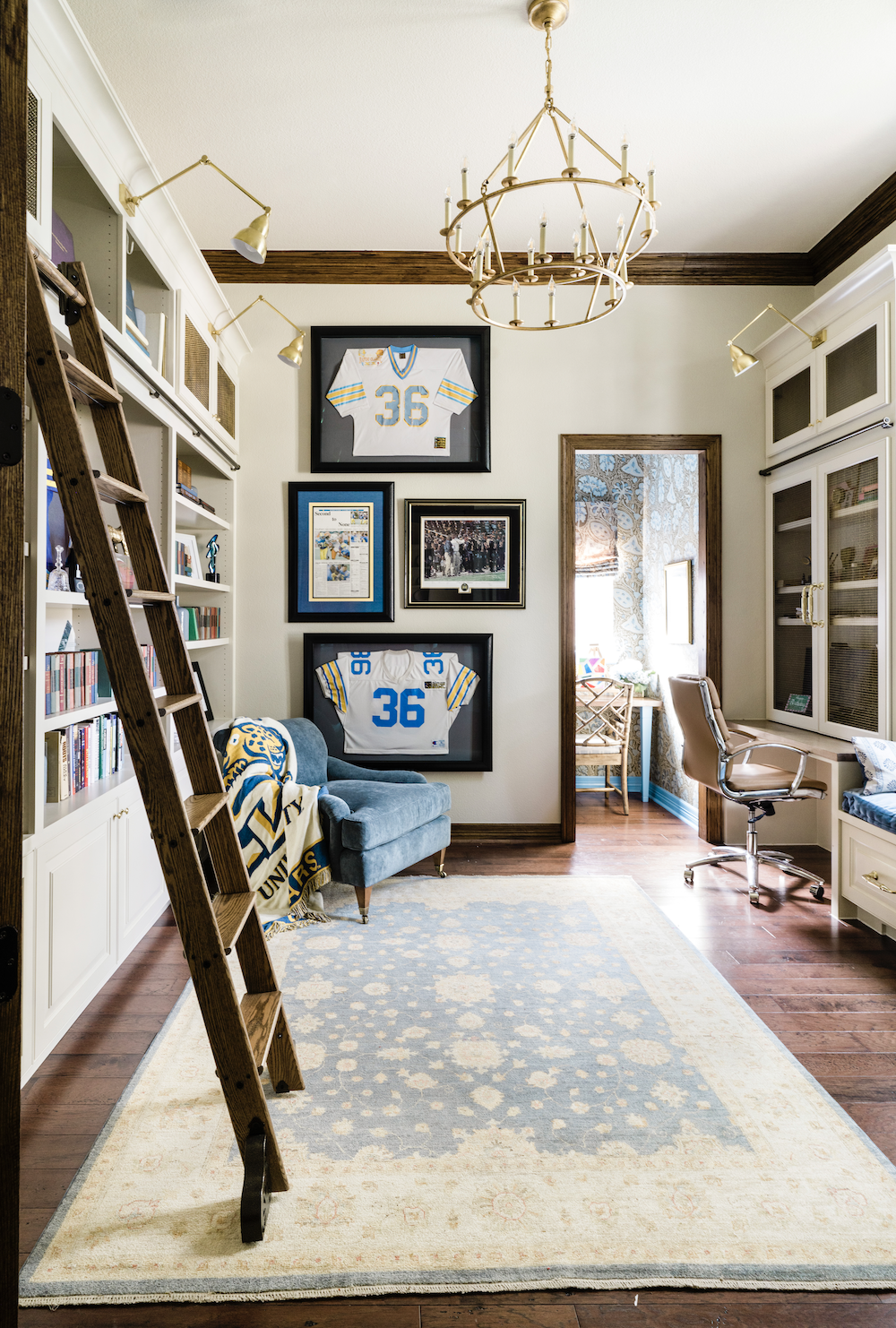
I have a large, beautiful, warm wool area rug. It's a year old and it still seems to shed. Anything I should be doing besides weekly vacuuming?
It could be the vacuum beater bar. Try turning it off or adjusting the height if the appliance has that function. If it doesn't, a new vacuum with adjustable settings might be the answer.
I vote yes for shoe removal, but please give us your wisdom!
Wipe the bottom of your shoe with a damp towel and take a look. That's what you're tracking into your home. If you've invested in beautiful carpets and rugs, the best way to prolong their life and decrease the maintenance is removing those shoes at the door. Otherwise, opt for hardier natural materials like sisal that can take more wear.
Do you suggest layering rugs? What's the best way to do so?
Absolutely. Layering rugs over a natural sisal or jute base is one of the simplest ways to add depth and interest to a room.

Design: Nicole Franzen
Have a rug or carpet question of your own? We love chatting floors and hope you’ll send it our way!



When a client asked for a custom built-in wardrobe for their primary suite, the brief was simple: it had to feel like it had always been part of the home. What followed was a study in considered details, from antique brass bail pulls and French-paned doors to gathered sheers and brass mesh screens, our team designed a piece that earns its place among the home's most significant architectural moments.